
Ottoman style architecture in Pera is not something you need a museum ticket to see. It is layered into the street facades of Çukurcuma, Cihangir and the lanes around Istiklal, visible in a carved wooden door frame here, a cantilevered balcony there. Walking through this part of Beyoğlu is, in many ways, a slow reading of a neighbourhood that was never built in a single style or a single century.
This guide looks at what to actually notice when you walk these streets: the timber houses, the stone apartment blocks, the ironwork and the carved details that survive from the late Ottoman period. It also points to a few places where that history is not just visible from the pavement, but lived in.
What Pera Was Before It Was Beyoğlu
Pera was the name given to the hillside district across the Golden Horn from the old city, a place where European merchants, diplomats, Greeks, Armenians, Jews and Levantine families lived alongside Ottoman residents. The district grew quickly in the 19th century, and its buildings reflect that mixed population. Today the area is officially part of Beyoğlu, but locals and historians still use “Pera” to describe its older architectural core.
What makes Ottoman style architecture in Pera distinctive is this blending. Traditional Ottoman timber construction sits a few steps from stone apartment buildings built in a European idiom, and the two traditions borrowed from each other constantly. That overlap is really the subject of this walk.
Timber Houses: The Older Layer of Ottoman Style Architecture in Pera
The oldest surviving domestic buildings in this part of the city are made largely of wood, a construction method that was standard in Ottoman residential architecture for centuries. These houses typically have a stone or masonry ground floor and timber-framed upper storeys that project slightly over the street, a feature known as a cumba or bay window. You will still spot examples of this on quieter side streets in Çukurcuma and Cihangir, though many have been altered or rebuilt over the decades.
Look for narrow vertical proportions, shuttered windows and eaves that extend further than you would expect from a modern building. These details are some of the clearest surviving signs of Ottoman style architecture in Pera, even where the paint has faded or a shopfront has been inserted at street level.
Levantine Apartment Blocks and Stone Façades
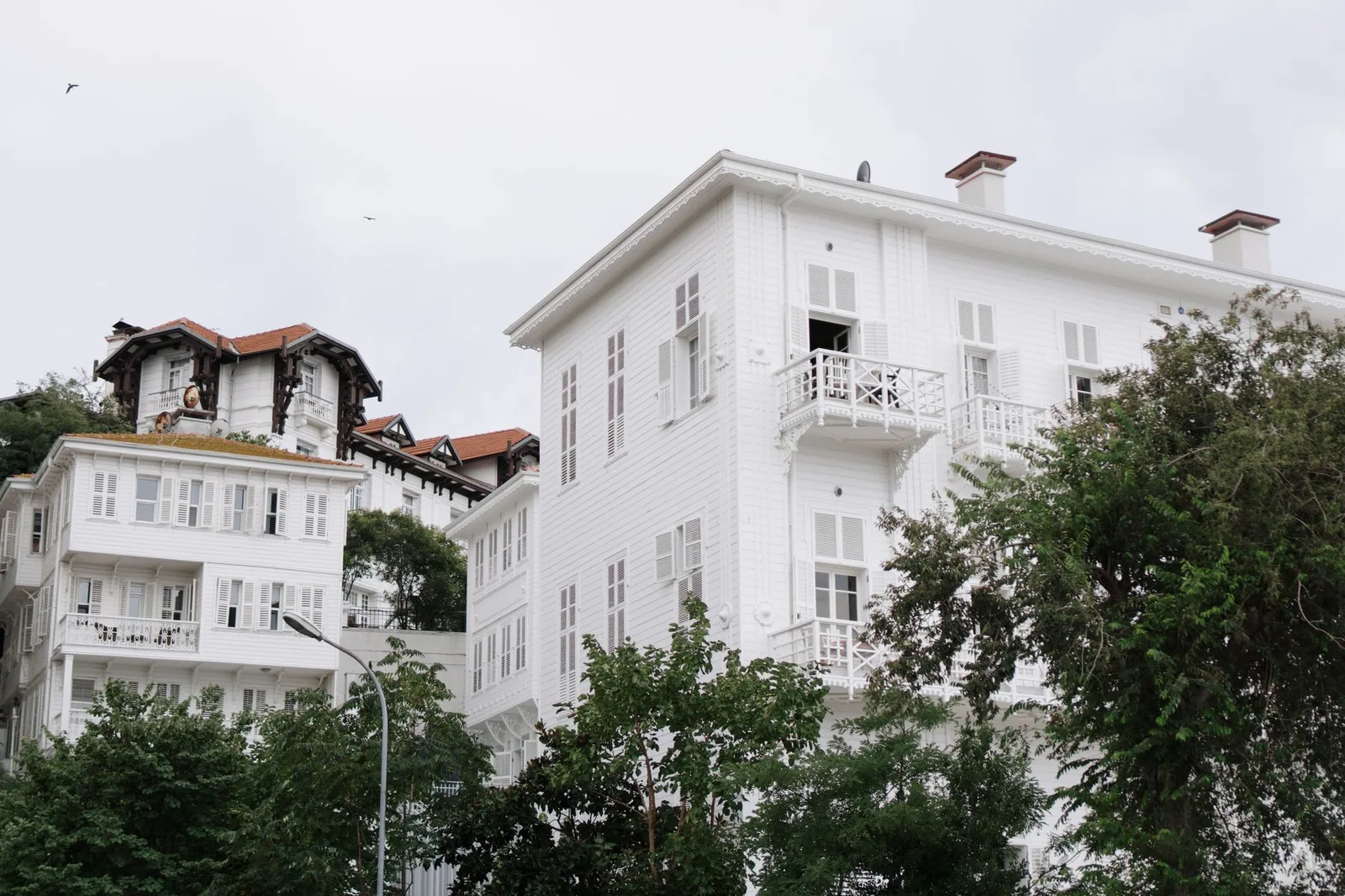
By the late 1800s, Pera was filling up with multi-storey stone apartment buildings built for a wealthier, more cosmopolitan population. This is what people usually mean by Levantine architecture Istanbul is known for: tall façades with decorative cornices, wrought-iron balconies, and carved stone details around windows and doorways, often mixing Ottoman motifs with French or Italian influences picked up through trade and travel.
These buildings are easiest to spot along the side streets that branch off Taksim Square and Istiklal, where ground floors have often become shops or cafes while the upper storeys retain their original stonework. It is worth looking up rather than only at eye level; a lot of the carved detail, from acanthus leaves to monogrammed keystones, sits above the first floor.
Reading the Details of Ottoman Style Architecture in Pera’s Çukurcuma Streets
Çukurcuma itself is a good place to slow down and look closely, partly because the neighbourhood’s long-standing antique trade means many original doors, window fittings and ironwork have survived rather than being stripped out for renovation. The area around Çukurcuma is dense with small workshops repairing exactly the kind of furniture and fittings that would have filled these buildings a century ago.
A few details worth watching for as you walk:
- Carved wooden door frames and lintels, sometimes with a small inscription panel above the door
- Cast-iron balcony railings with floral or geometric patterns
- Projecting bay windows (cumba) on timber-framed buildings
- Stone window surrounds with simple classical mouldings on later apartment blocks
- Faded house numbers or building names in Ottoman script on some older façades
None of this is curated for visitors; it is simply what remains standing in a neighbourhood that has been inhabited continuously for well over a century.
Staying Inside a Restored Piece of This History
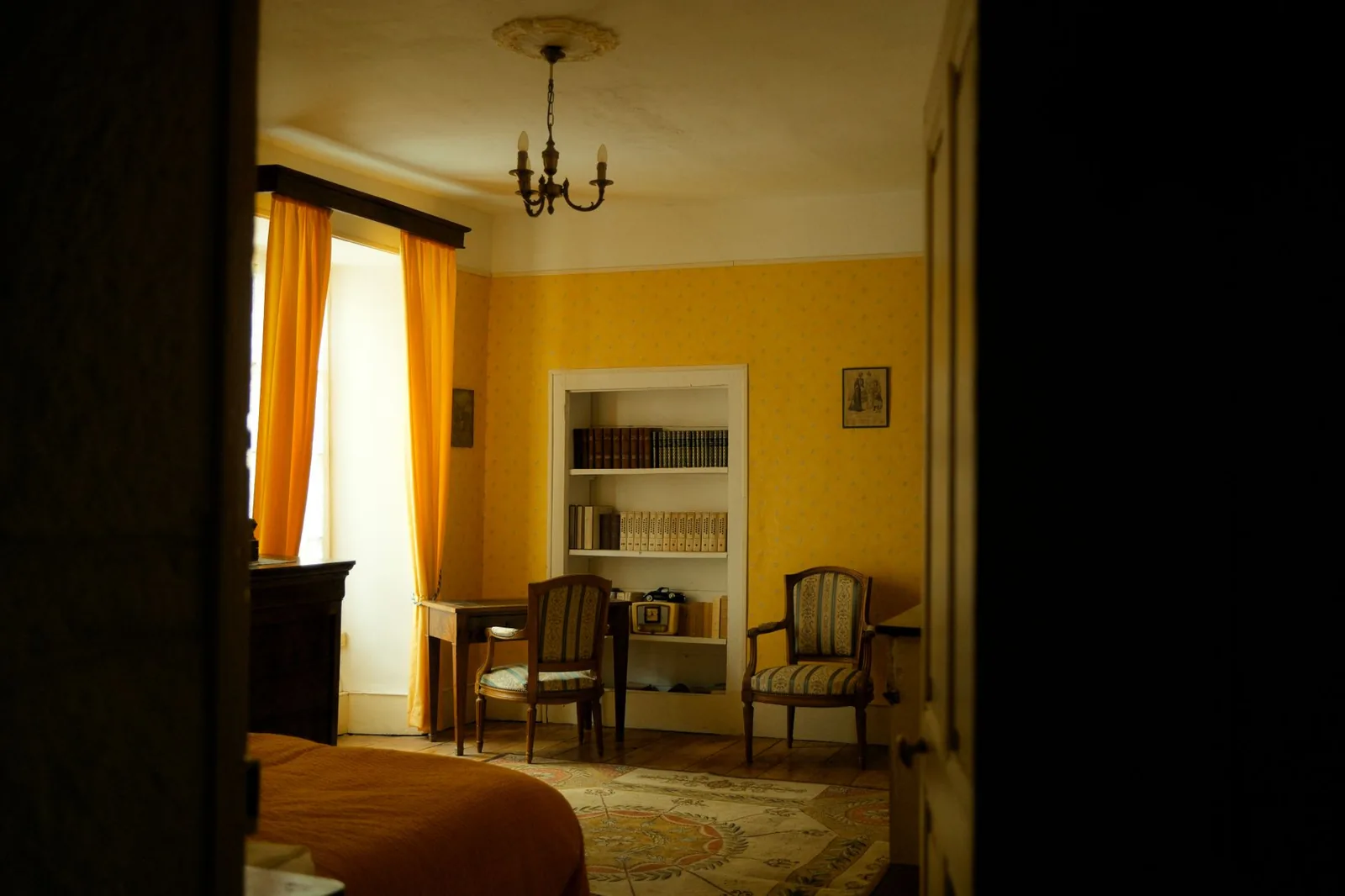
Faik Pasha Hotels occupies four historic buildings on Faik Pasha Street, built in the late 1800s and fully restored in 2010 in line with their original design, construction techniques and plans. Staying here is a different way of engaging with Ottoman style architecture in Pera, since the wooden ceilings, floors and original room proportions were kept rather than replaced during restoration.
Founder Meral Kalav Demir, a retired lawyer, spent about three years sourcing antique furniture from Istanbul dealers and flea markets, filling the rooms with handmade carpets and period oil paintings that echo the multicultural life of old Pera. It is a genuinely family-run place, and that continuity shows in the details rather than in any polish.
Rooms range from the compact Standard Double Room to larger options such as the Penthouse with Terrace, which keeps its duplex layout and hammam-style marble bathroom inside the original building shell. Families or longer-staying guests often prefer the Grand Suite Two-Bedroom Apartment, which has an open kitchen and two bathrooms.
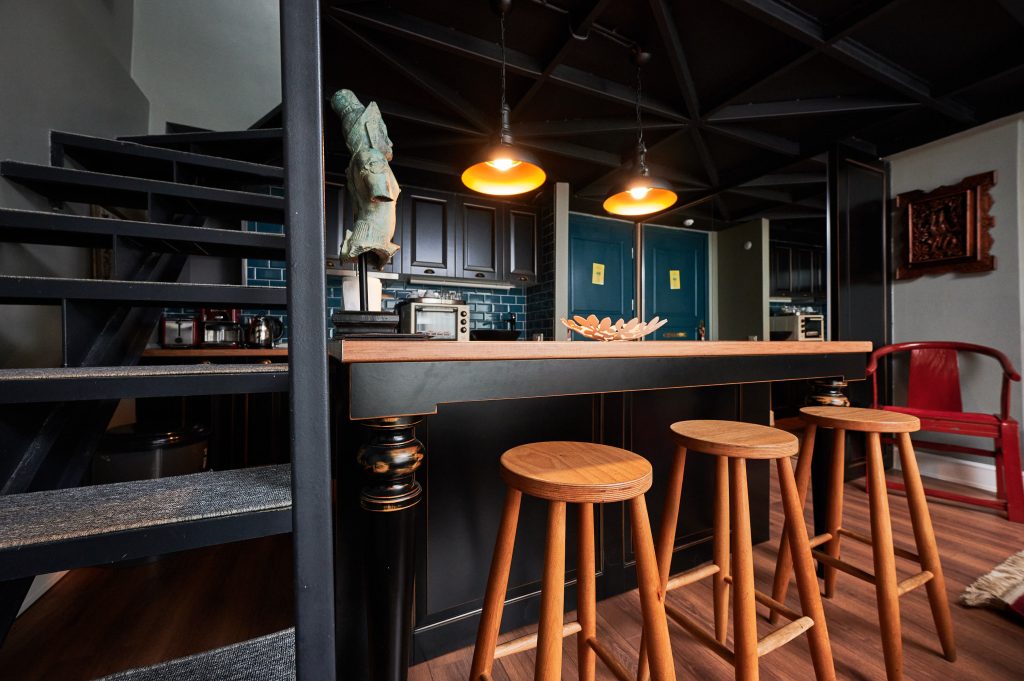
You can get a feel for how the antique furniture and original architecture sit together in this short video tour of the rooms.
One guest who stayed in the Panoramic Penthouse with Lift put it simply:
“We stayed in the Penthouse with the lift which felt like our home away from home.” – Summer Tyme Odell, April 2026, Tripadvisor
Another described the character of the rooms directly:
“Very clean, aesthetics with vintage furniture, cozy and comfortable.” – lariszakarath, May 2025, Tripadvisor
As a heritage hotel Istanbul visitors often mention when discussing Çukurcuma, it functions as a base for exploring the district’s architecture on foot, with Galata, Cihangir and Istiklal all within the same walkable pocket of the city. For travelers who specifically want to experience Ottoman style architecture in Pera from inside a room rather than from the street, the restored buildings here are a fairly direct match for that interest, rather than a themed recreation of it.
Why So Much Ottoman Style Architecture in Pera Survives Here
Çukurcuma and the surrounding streets escaped some of the large-scale demolition that reshaped other parts of Istanbul in the 20th century, partly because the area never became a priority for major redevelopment. That relative neglect, somewhat ironically, is part of why so much Ottoman style architecture in Pera survives at street level rather than only in archives or museum collections.
The antique trade that the neighbourhood is known for grew directly out of this: old buildings generate old furniture, fittings and fixtures, and dealers settled here to work with exactly that material. If you want a practical sense of how to browse that trade, the guide to Çukurcuma’s flea market is a useful companion to a walk focused on architecture, since many of the same pieces visible in shop windows once furnished the buildings around them.
For a broader sense of the district beyond architecture, the overview of exploring Beyoğlu on foot covers nearby streets and landmarks worth adding to the same outing.
Planning a Self-Guided Walk Through Ottoman Style Architecture in Pera
There is no single official route for seeing Ottoman style architecture in Pera, which is part of the appeal; you can build your own based on how far you want to wander. A reasonable loop takes in Çukurcuma’s side streets, continues toward Cihangir, and finishes near Galata Tower, where you can also pick up a different architectural era in the surrounding streets.
If you want a more structured option, the Galata neighbourhood guide and the self-guided walking tour of Cihangir streets both connect naturally to a route starting from Çukurcuma, letting you move between timber houses, Levantine apartment blocks and later Republican-era buildings in a single afternoon.
Those with a deeper interest in the period’s visual culture might also pair the walk with a visit covered in the Pera Museum visitor guide, which sits a short distance from the same streets.
Choosing Where to Base Yourself
Where you stay shapes how much of this architecture you actually see, since a lot of it only reveals itself on foot, at a slow pace, away from the main avenues. Basing yourself in an authentic boutique hotel in Beyoğlu puts you directly inside the streets described above rather than requiring a transfer into them each morning.
Guests who have stayed at Faik Pasha Hotels often mention the location itself as much as the rooms. As one review put it plainly:
“we picked the perfect place in the most perfect area of the city” – Summer Tyme Odell, April 2026, Tripadvisor
Those planning a longer stay, or coming specifically for the area’s design and antique culture, might also consider browsing a design hotel in Cihangir as a neighbouring option, since the two districts share much of the same architectural character and are easy to move between on foot.
You can check current room availability and rates directly through the booking engine, or reach the team by email at reservations@faikpashahotels.com or WhatsApp at +90 530 025 66 43 for questions about specific rooms.
Frequently Asked Questions
What exactly does “Ottoman style architecture in Pera” refer to?
It refers to the residential and commercial buildings constructed in Pera through the 19th and early 20th centuries, including both traditional timber Ottoman houses and later stone apartment blocks that blended Ottoman and European design elements. You can see examples of both styles standing side by side across Çukurcuma and neighbouring streets.
Where is the best place to see these architectural details up close?
Çukurcuma’s side streets, the lanes around Cihangir, and the backstreets off Istiklal Avenue all preserve a good mix of timber houses and Levantine apartment façades. Walking rather than driving is essential, since much of the detail is only visible at close range or when you look upward at upper floors.
Is Levantine architecture the same as Ottoman architecture?
Not exactly; Levantine architecture Istanbul is known for describes buildings constructed by the city’s European and minority communities, often blending Ottoman construction methods with French, Italian or Greek design influences. The two traditions overlap heavily in Pera, which is part of why the district’s streets feel so visually layered.
Can I stay somewhere that reflects this architectural history rather than just visiting it?
Yes. Faik Pasha Hotels occupies four historic buildings on Faik Pasha Street that were restored in 2010 according to their original design and construction techniques, with antique furniture and period details kept throughout. Rooms range from the Superior Double Room to larger suites, all within walking distance of the streets described in this guide.
How much time should I set aside for an architecture-focused walk in Pera?
A couple of unhurried hours is usually enough to cover Çukurcuma and a stretch of Cihangir, longer if you plan to stop at antique shops or a museum along the way. Pairing the walk with a guide such as the Galata neighbourhood guide can help structure a longer outing.
If this kind of slow, detail-focused exploration of Ottoman style architecture in Pera appeals to you, Faik Pasha Hotels puts you inside the same streets this guide describes, in rooms shaped by the same late Ottoman period. You can check availability directly through the booking engine, or get in touch by email at reservations@faikpashahotels.com or WhatsApp at +90 530 025 66 43.
Trackbacks & Pingbacks
[…] live music rooms and calmer wine bars, and talk about where to base yourself, perhaps amid the Ottoman style architecture in Pera, so you can reach all of them without much […]
[…] If you love the idea of digging through old brass lamps, hand-painted ceramics and dusty oil paintings, you are in the right neighbourhood. These Cukurcuma flea market shopping tips are written for travellers who have never haggled over a candlestick before and want to do it without feeling awkward. Çukurcuma has been a magnet for collectors, decorators and curious wanderers for decades, and a little preparation makes the whole outing far more enjoyable, especially after exploring the Ottoman style architecture in Pera. […]