
A food lover’s guide to Cukurcuma and Cihangir is really a guide to walking slowly. These two adjoining Beyoglu neighbourhoods pack more honest cooking per square metre than almost anywhere else in Istanbul, from simmering esnaf lokantas to meyhane tables that spill onto cobblestones at dusk. There is no need for a car, a reservation app or a long itinerary here; a food lover’s guide to Cukurcuma and Cihangir works best as a loose loop you can follow on foot, pausing wherever the smell of fresh bread or grilled fish pulls you in.
This piece is built as a practical route: it starts with breakfast, moves through coffee and antique browsing, lingers over lunch at neighbourhood lokantas, and ends with meze and raki as the evening cools down. Along the way we point to streets worth detouring into, including the quieter lanes around Çukurcuma and the sloped backstreets of Cihangir, so you can turn eating into a way of understanding the neighbourhood itself. Think of this food lover’s guide to Cukurcuma and Cihangir less as a checklist and more as a loose daily rhythm you can adapt to your own pace.
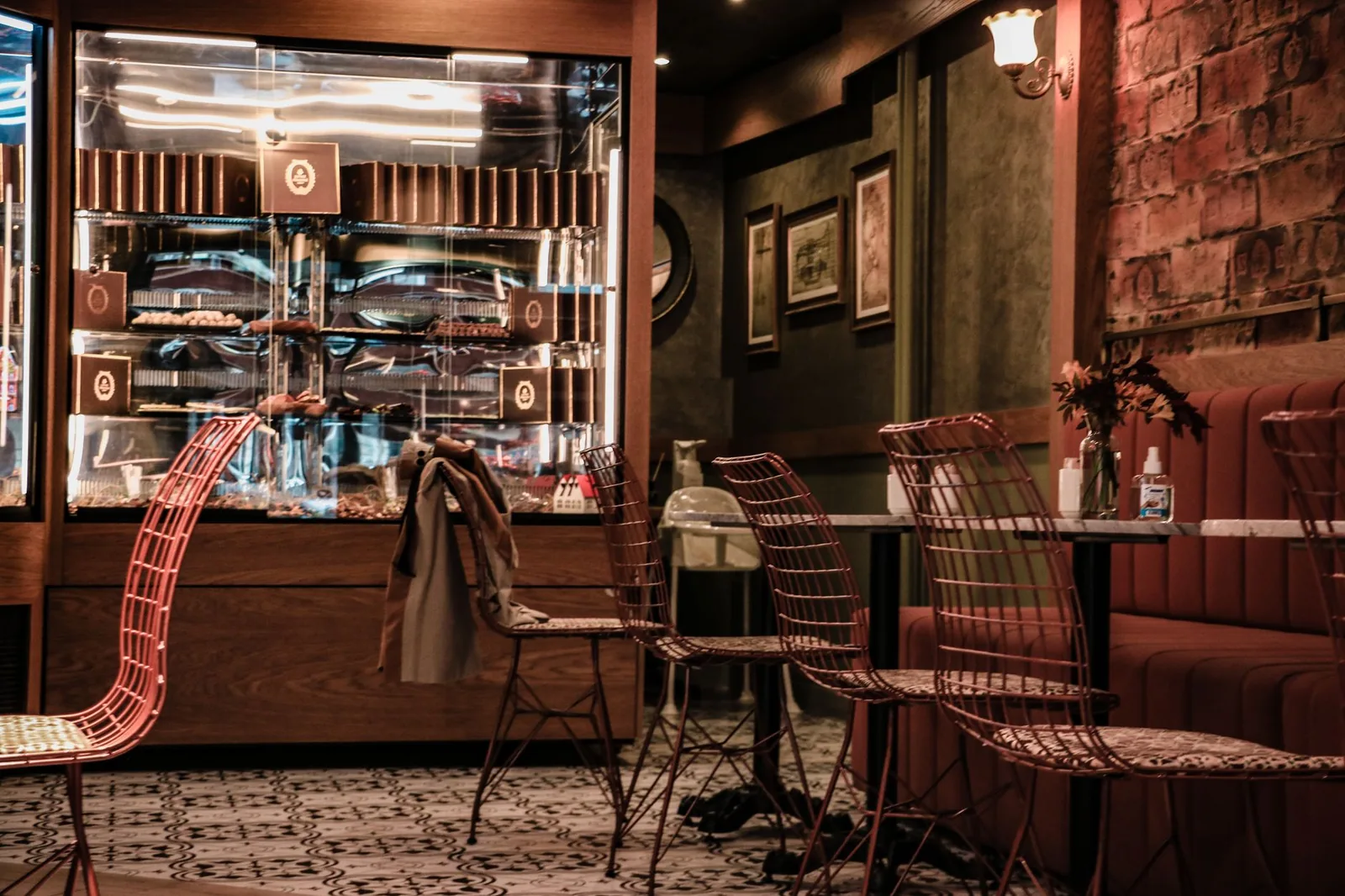
Table of contents
- Two neighbourhoods, one food culture
- Where to start: a proper Turkish breakfast
- Best coffee shops in Cukurcuma for a slow morning
- Esnaf lokantas: where locals actually eat lunch
- Where to eat meze in Beyoglu: meyhane culture after dark
- A food lover’s guide to Cukurcuma and Cihangir on foot
- Staying in Cukurcuma: a base for this whole route
- Cukurcuma vs Cihangir: a quick comparison
- What our guests say about staying nearby
- Eating through the seasons in these streets
- Frequently asked questions
- The future of eating well in Beyoglu
Two neighbourhoods, one food culture
Cukurcuma and Cihangir sit side by side, separated by little more than a few sloped streets, yet each has its own rhythm. Cukurcuma is known for antique shops, vintage furniture stores and restoration workshops, and its food scene grew up around that same slow, hand-made spirit. Cihangir, just up the hill, has long attracted writers, artists and a steady stream of cafe regulars, which shows in its relaxed, bohemian eating spots.
A food lover’s guide to Cukurcuma and Cihangir has to treat them as one continuous neighbourhood rather than two separate stops, because that is exactly how residents treat them. You will find yourself crossing back and forth between the two more than once in a single afternoon, and that is the point. For a deeper sense of the streets themselves, the Ottoman-era architecture around Pera gives useful context to why these blocks look and feel the way they do today.
What ties the food together is simplicity: good bread, good coffee, grilled or stewed dishes that haven’t changed much in decades, and meze plates meant for sharing. This is not a neighbourhood of trend-driven restaurants; it rewards patience and a willingness to eat where the tables are small and the owner knows the menu by heart. Anyone writing a food lover’s guide to Cukurcuma and Cihangir eventually arrives at the same conclusion: the best meals here are rarely the fanciest ones.
Where to start: a proper Turkish breakfast
Any honest food lover’s guide to Cukurcuma and Cihangir has to begin with breakfast, because this is where the neighbourhood’s food culture is most visible. Turkish breakfast, or kahvaltı, is built around a spread of small plates rather than a single dish: cheeses, olives, tomatoes, cucumbers, honey, jam, eggs and warm bread all arrive together, meant to be eaten slowly over tea.
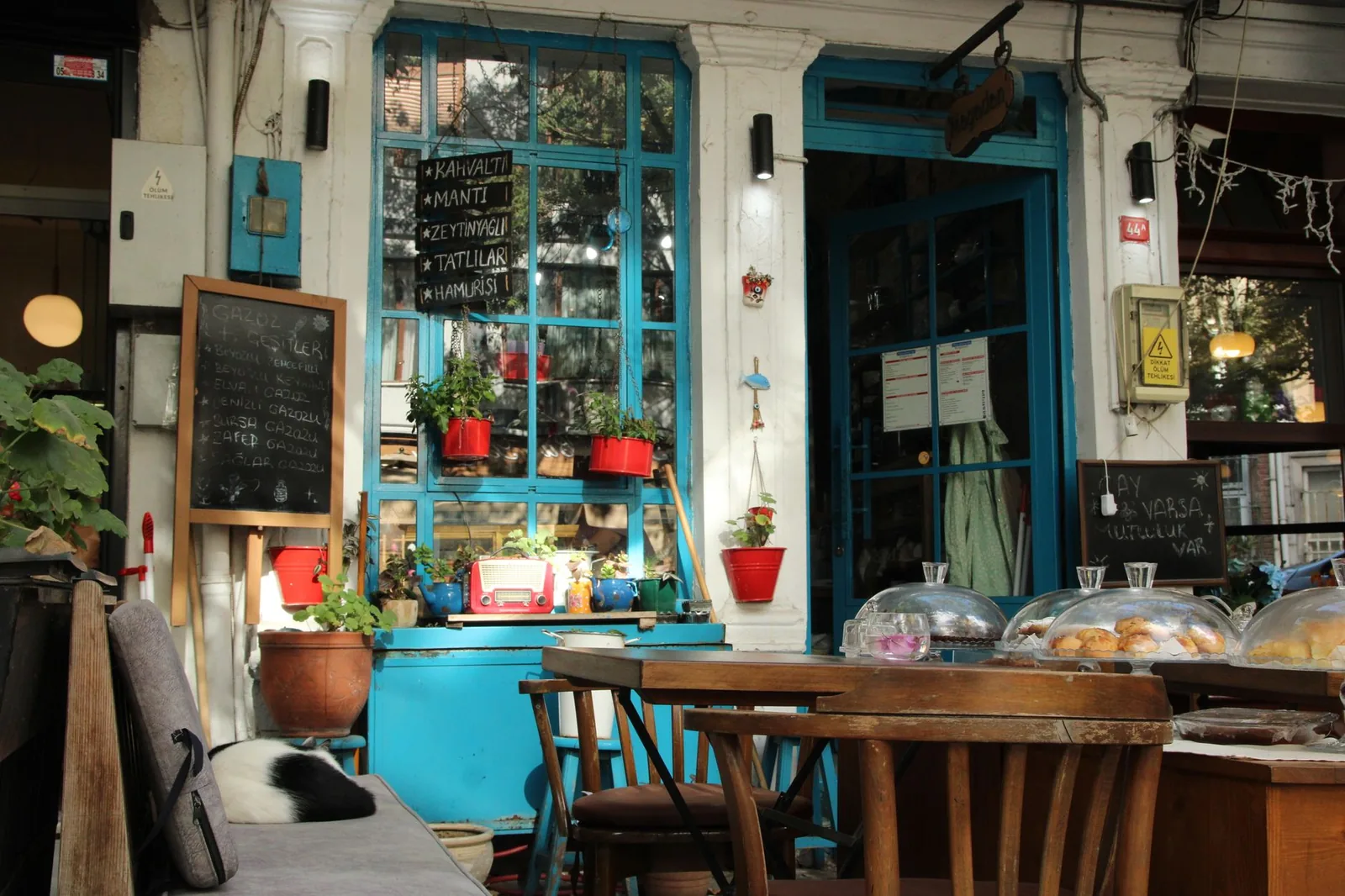
In Cukurcuma, a number of small cafes serve this kind of spread, often alongside borek, simit and gözleme cooked fresh in the morning. The pace is unhurried; a breakfast table here can easily stretch past an hour, which fits the general tempo of a neighbourhood built around antique browsing rather than quick errands.
If you are staying nearby, it is worth starting the day at Faik Pasha Cafe, open from 08:00 to 17:00, where the breakfast buffet runs from 08:00 to 11:30 and features homemade breads, pastries and jams alongside regional cheeses, börek, simit and menemen. After 11:30 the kitchen shifts to an à la carte breakfast menu with various egg dishes, useful if your morning starts later than planned. A food lover’s guide to Cukurcuma and Cihangir would be incomplete without mentioning how much breakfast sets the tone for the rest of the day in this part of Beyoglu.
Breakfast here is also social in a quiet way: tables are close together, tea glasses get refilled without asking, and conversations with neighbouring diners happen naturally. If there is one meal worth protecting a full hour for on this route, it is this one.
Best coffee shops in Cukurcuma for a slow morning
Once breakfast is done, coffee becomes the next ritual, and Cukurcuma does not disappoint. The neighbourhood’s antique dealers and restoration workshops have, over the years, attracted a cluster of small, independent coffee shops that cater to browsers taking a break between shops. These are not large chains; most seat a handful of people and rely on regulars who stop in daily.
The appeal of the best coffee shops in Cukurcuma is less about elaborate menus and more about atmosphere: mismatched furniture, good light, and a general unhurried pace that matches the antique shopping happening right outside the door. Many visitors build an entire morning around moving between a coffee shop and two or three nearby antique stores, something explored further in our guide to flea market shopping tips in Cukurcuma.
For a longer, dedicated look at specific spots, our separate piece on the best coffee shops in Cukurcuma for slow mornings and antique browsing goes street by street. Within this food lover’s guide to Cukurcuma and Cihangir, the key point is simply that coffee here is a destination activity, not a quick stop on the way somewhere else.
Many of these cafes double as informal meeting points for the antique trade itself; it is not unusual to see a dealer closing a deal over a single cup of Turkish coffee at a corner table. That overlap between commerce and coffee is part of what gives Cukurcuma its particular texture.
Esnaf lokantas: where locals actually eat lunch
Lunch in this part of Beyoglu usually means an esnaf lokantası, a tradesman’s restaurant serving home-style dishes from a steam counter: stewed vegetables, grilled meats, rice, beans and seasonal greens cooked in olive oil. These places are unglamorous by design, with simple seating and a menu that changes daily depending on what is fresh.
Both Cukurcuma and Cihangir have a handful of these lokantas tucked into side streets, often recognisable by the trays visible through the window rather than any signage. Prices are modest and portions generous, and it is entirely normal to point at a dish rather than order from a printed menu. This is one of the few remaining ways to eat genuinely home-style Turkish food in central Istanbul.
A food lover’s guide to Cukurcuma and Cihangir would be incomplete without flagging that lokantas are usually busiest around midday, when nearby antique dealers, shop owners and office workers all come in for a quick, filling meal. Showing up slightly before or after the main lunch rush tends to mean a quieter table and a better chance to chat with the staff about what’s good that day.
If you only have time for one lunch during your visit, choose whichever lokanta has the busiest steam counter; a full display usually means the kitchen is turning dishes over quickly, which is a reasonably reliable sign of freshness in this kind of eatery.
Where to eat meze in Beyoglu: meyhane culture after dark
As the afternoon turns to evening, the food culture here shifts toward meyhanes, the traditional Turkish taverns built around meze, raki and long, unhurried conversation. Meze arrives in waves of small cold plates first, followed by warm dishes and then grilled fish or meat, with raki poured alongside and diluted with water as the night goes on.
Meyhane culture is deeply social; tables are shared, dishes are passed around, and nobody rushes toward the bill. If you want to understand where to eat meze in Beyoglu in more depth, including how to order and what to expect from a proper meyhane evening, our dedicated guide to meyhane culture in Beyoglu covers it thoroughly.
Cihangir in particular has a concentration of smaller meyhanes and wine bars that cater to a mixed crowd of locals and visitors, many with outdoor seating that works well on warmer evenings. For those who want to extend the night further after dinner, our broader piece on nightlife in Beyoglu covers rooftop bars and quieter corners beyond the meyhane table.
A good rule for a first meyhane visit is to let the waiter guide the order of courses rather than requesting everything at once; the meal is paced deliberately, and rushing it tends to work against the whole point of the evening.
A food lover’s guide to Cukurcuma and Cihangir on foot
A food lover’s guide to Cukurcuma and Cihangir works best as an actual route rather than a list, so here is a simple version you can follow without a map. Start with breakfast in Cukurcuma, ideally somewhere slow enough to let the morning open gently. From there, spend an hour or two drifting between antique shops and coffee stops, letting the neighbourhood set your pace rather than a schedule.
By midday, climb the gentle slope toward Cihangir for lunch at a lokanta, then continue exploring the neighbourhood’s cafes and side streets through the afternoon; our self-guided walking tour of Cihangir streets maps this part of the day in more detail. As evening falls, settle into a meyhane table, either back down in Cukurcuma or up in Cihangir, depending on which neighbourhood’s pace suited you better that day.
This loop rarely takes more than a few hours of actual walking, but it tends to stretch across a full day once you factor in lingering over coffee, browsing antique stalls and sitting through a proper meyhane dinner. For a complementary route through the wider district, see our complete guide to exploring Beyoglu on foot, and for those approaching from Taksim, the Taksim Square to Cihangir walk is a natural lead-in to this same loop.
There is no wrong order to follow, and that flexibility is exactly why this food lover’s guide to Cukurcuma and Cihangir works equally well whether you arrive from Taksim, Galata or straight from your hotel doorstep.
Staying in Cukurcuma: a base for this whole route
Because this entire food lover’s guide to Cukurcuma and Cihangir is built around walking, where you sleep matters more than it might elsewhere in the city. Staying in Cukurcuma puts you within easy reach of both neighbourhoods described above, letting you start the day with breakfast nearby and end it with a short stroll home after dinner rather than a taxi ride.
Faik Pasha Hotels occupies four historic buildings on Faik Pasha Street, originally built in the late 1800s and carefully restored in 2010 in line with their original design and construction techniques. The interiors, designed by founder Meral Kalav Demir, feature wooden ceilings and floors, antique furniture collected over three years from Istanbul’s dealers and flea markets, handmade carpets and period oil paintings throughout. It is a genuinely family-run business, which shows in the attentiveness of the staff.
For travellers who want a kitchen to store market finds or leftovers from a meyhane dinner, the Superior Triple Room offers a double bed plus sofa and suits small groups comfortably at 35 square metres.
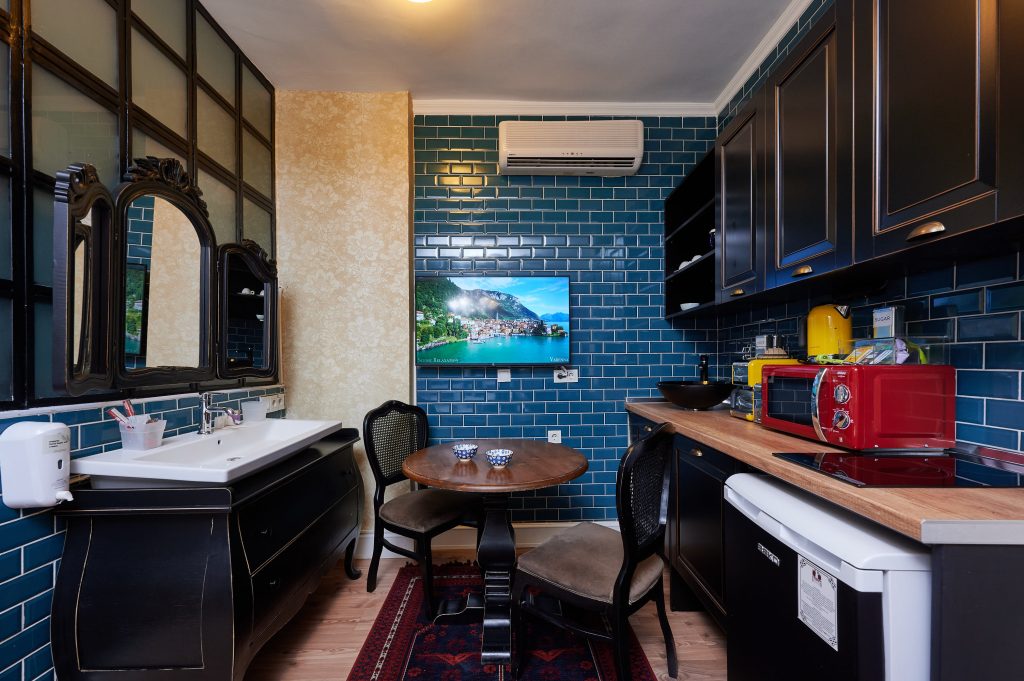
Every room includes daily housekeeping, air conditioning, minibar and free Wi-Fi, while suites and penthouses add a kitchenette or full kitchen for longer stays. The hotel’s own Faik Pasha Cafe connects directly to this food lover’s guide to Cukurcuma and Cihangir, since its open buffet breakfast and à la carte egg dishes are exactly the kind of homemade, local cooking described above. Take a quick look at the rooms in motion before you book:
Those who prefer a different pace of neighbourhood exploring might instead consider staying in Cihangir itself; either way, the two neighbourhoods are close enough that the choice comes down to preference for antique shop mornings versus cafe-lined slopes.
Cukurcuma vs Cihangir: a quick comparison
For visitors deciding how to split their time, here is a simple side-by-side look at what each neighbourhood offers a hungry traveller.
| Feature | Cukurcuma | Cihangir |
|---|---|---|
| Signature daytime activity | Antique shopping and coffee breaks | Cafe-hopping and people-watching |
| Best meal of the day | Breakfast and lunch | Coffee and dinner |
| Atmosphere | Workshop streets, slower pace | Bohemian, sloped streets with views |
| Food highlight | Esnaf lokantas and homemade breakfast | Meyhanes and independent cafes |
| Good for | Slow mornings, antique browsing | Evening meze, longer cafe sessions |
Most visitors following a food lover’s guide to Cukurcuma and Cihangir end up doing a version of both columns in the same day, since the two neighbourhoods are so easy to move between on foot.
What our guests say about staying nearby
Guests who choose this part of Beyoglu as their base often mention how central the location feels for exploring on foot. One recent review put it simply:
“we picked the perfect place in the most perfect area of the city” – Summer Tyme Odell, April 2026, Tripadvisor
Others note the comfort of the historic rooms themselves after a long day of walking and eating:
“The rooms were so authentic, very clean and comfortable.” – Pat P, October 2025, Tripadvisor
And repeat visitors keep coming back to this specific corner of the city:
“We travel to Istanbul 3-4 times a year and never think of staying else where.” – Aykut K, May 2025, Tripadvisor
You can read more guest feedback directly on Tripadvisor, recognised with a Travellers’ Choice 2026 award, or browse recent photos on Instagram.
Eating through the seasons in these streets
A food lover’s guide to Cukurcuma and Cihangir reads a little differently depending on the time of year. In warmer months, meyhane tables and cafe seating spill out onto the pavement, and lunch at a lokanta is as likely to be eaten half outdoors as in. The produce on display at steam counters shifts too, with lighter vegetable dishes and more greens cooked in olive oil appearing on the daily menu.
In the cooler months, the same streets simply move indoors without losing much of their character. Breakfast tables stay full longer as guests linger over tea in a warm room, and meyhanes lean more heavily on warm meze and heartier grilled dishes. Either season works for this route; what changes is mostly where you end up sitting, not what you end up eating.
Winter evenings in particular suit Cihangir’s smaller, closed-in meyhanes, where steamed windows and close tables make the meal feel more intimate. Summer, by contrast, is the better season for a long coffee break on a quiet Cukurcuma side street, watching the antique shops open their doors.
Frequently asked questions
What is the best way to start a food lover’s guide to Cukurcuma and Cihangir?
Begin with breakfast in Cukurcuma, since the neighbourhood’s cafes are built around a slow, unhurried morning spread of cheeses, breads and jams, and continue from there toward coffee and antique browsing.
Where to eat meze in Beyoglu if I only have one evening?
Focus on a single meyhane rather than trying to sample several; the experience is built around lingering over multiple courses of meze with raki, not moving quickly between venues. See our dedicated meze and meyhane guide for specifics.
What are the best coffee shops in Cukurcuma for a morning break?
Look for small, independent cafes near the antique shops rather than larger chains; these tend to have the most relaxed atmosphere and are used to customers who linger between browsing stops. Our coffee shops guide lists specific favourites.
Is it better to book a hotel in Cukurcuma or Cihangir?
Both work well given how close they are; staying in Cukurcuma tends to suit visitors prioritising antique shopping and a quieter base, while staying in Cihangir suits those who want to be in the middle of the cafe and meyhane action each evening.
What are some things to do in Cihangir beyond eating?
Cihangir is known for its viewpoints, independent bookshops and slow neighbourhood walks between cafes; our guide to things to do in Cihangir covers these beyond the food scene.
The future of eating well in Beyoglu
Cukurcuma and Cihangir have so far resisted the kind of rapid turnover seen in more heavily touristed parts of Istanbul, largely because their food culture is tied to long-standing residents rather than passing trends. Esnaf lokantas depend on daily regulars, and meyhanes rely on multi-generational relationships between owners and their suppliers; neither model shifts quickly, which is good news for anyone hoping these streets keep their character.
At the same time, both neighbourhoods have quietly absorbed newer coffee shops and wine bars without losing their core identity, suggesting a food scene that can evolve without being replaced. A food lover’s guide to Cukurcuma and Cihangir written five years from now will likely still point to the same breakfast spreads, the same steam-counter lokantas and the same crowded meyhane tables, simply with a few more small cafes folded in around the edges.
For travellers, that stability is part of the appeal: this is not a place where the best restaurant changes every season, but one where the fundamentals of good, honest cooking have held steady for decades.
Plan your stay among these streets
If this food lover’s guide to Cukurcuma and Cihangir has you thinking about a visit, choosing a base right inside these streets makes the whole route far easier to enjoy. Faik Pasha Hotels offers everything from the compact Standard Double Room to the spacious Penthouse with Terrace, with family-friendly apartments like the Grand Suite Two-Bedroom Apartment for longer stays, all inside a best boutique hotel in Beyoğlu setting housed in restored 19th-century buildings.
Book directly through our official booking engine and enjoy privileged savings of up to 15%, or reach out by email or WhatsApp for a personal touch that pays off with rates 5% better than our official website. Cash payment at check-in brings a further gentle thank-you discount of 5%. However you choose to book, this food lover’s guide to Cukurcuma and Cihangir is best experienced slowly, one breakfast, one coffee and one meyhane table at a time.