
Long before it was called Beyoğlu, this hillside above the Golden Horn was known as Pera, a dense neighbourhood of merchants, diplomats and craftsmen from across the Mediterranean. Walking its backstreets today, you can still read their presence in stone and timber. Levantine architecture Istanbul is not a single style but a layered conversation between Ottoman building traditions and European tastes brought in by Greek, Armenian, Italian and French families who settled here over generations.
This article looks at what that architecture actually looked like, why it survives so unevenly across the district, and how one small group of restored buildings in Çukurcuma keeps a piece of that world livable rather than roped off behind glass.
What Is Levantine Architecture Istanbul, Exactly?
The term “Levantine” originally described European-descended families who had lived in Ottoman port cities for generations without ever quite becoming Ottoman or fully European either. Their houses reflected that in-between identity. Levantine architecture Istanbul typically combines a modest Ottoman timber or masonry frame with European decorative details: wrought-iron balconies, tall shuttered windows, carved wooden cornices and sometimes a small interior courtyard.
Unlike the grand imperial mosques and palaces that define Istanbul’s skyline, these were mostly domestic and commercial buildings: townhouses, apartment blocks, consulates and shopfronts. That domestic scale is part of why so much of old Pera’s historic buildings Istanbul heritage reads as intimate rather than monumental, built for daily life rather than display.
Pera History as a Crossroads Neighbourhood
To understand the buildings, it helps to understand who lived in them. Pera history is essentially a history of movement: Genoese traders settled around Galata centuries earlier, and by the 1800s the hill above had filled with Greek, Armenian, Jewish and European families working in trade, banking, printing and the consular service.
Foreign embassies built grand residences along what is now Istiklal Street, while merchants and professionals built smaller townhouses on the side streets running down toward the Bosphorus. This mix of grand and modest buildings side by side is still visible if you walk from Taksim Square down through the back lanes of Beyoğlu toward the water.
Beyoğlu Architecture Beyond the Main Avenue
Most visitors experience Beyoğlu architecture first through Istiklal Street’s grand apartment blocks and arcades. But the side streets tell a quieter, equally important story about levantine architecture Istanbul at its most residential. Narrow lanes lined with three- and four-storey houses, many with bay windows and decorative plasterwork, were built as practical housing for Pera’s working and merchant families rather than as showpieces.
Çukurcuma, just below Cihangir, is one of the best-preserved pockets of this residential fabric. Its steep streets are now known for antique dealers and restoration workshops, a trade that has, almost by accident, helped keep much of the neighbourhood’s levantine architecture Istanbul character intact rather than demolished for newer construction.
Why So Few Levantine Architecture Istanbul Buildings Survive Intact
Not every corner of old Pera fared as well. Fires, earthquakes and decades of uneven urban development have erased a significant share of the district’s original housing stock. Where buildings were left empty or poorly maintained, timber structures in particular deteriorated quickly, and many were eventually torn down rather than repaired.
That makes the buildings that were restored according to their original design, construction techniques and plans genuinely notable rather than routine. A careful restoration keeps the proportions, materials and craftsmanship of the original historic buildings Istanbul once had in abundance, instead of replacing them with a modern reproduction behind an old-looking facade.
Faik Pasha Street as a Living Example of Levantine Architecture Istanbul
On a quiet corner of Çukurcuma, four buildings on Faik Pasha Street, built in the late 1800s, were fully restored in 2010 in line with their original design, construction techniques and plans. Today they house Faik Pasha Hotels, a family-run project founded by Meral Kalav Demir, a retired lawyer who spent around three years collecting antique furniture from Istanbul’s dealers and flea markets.
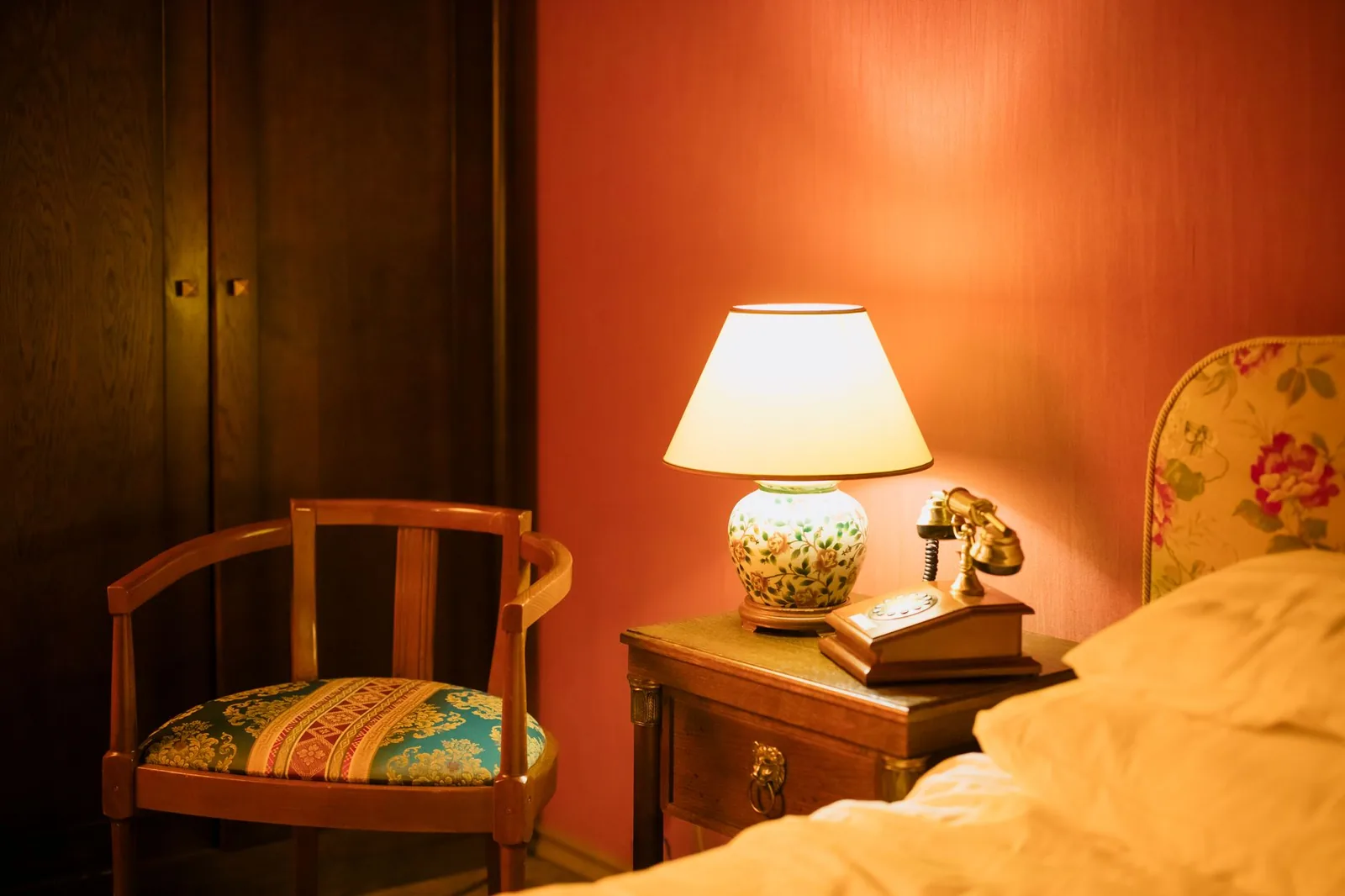
The result is less a hotel lobby and more a lived-in extension of the neighbourhood’s own history: wooden ceilings and floors, handmade carpets, and hundreds of period oil paintings sit inside rooms that still carry the bones of their 19th-century construction. It is one of the more approachable ways to actually experience levantine architecture Istanbul from the inside rather than only from the street.
Details Worth Noticing
- Original wooden ceilings and flooring preserved through restoration
- Antique furniture sourced locally rather than reproduced
- Hundreds of period oil paintings throughout the common areas and rooms
- Handmade carpets chosen to match the era of the buildings
Staying Inside a Piece of Old Pera’s Levantine Architecture
Guests who want to spend more than an afternoon with this architecture can actually stay inside it. The property offers nine room categories across the four restored buildings, from a compact Standard Double Room to larger apartment-style layouts with their own kitchens, suited to families or longer stays.
For travellers who want a little more space and a kitchenette within the same historic walls, the Superior Double Room is a practical option without losing the period details that make the building worth visiting in the first place.
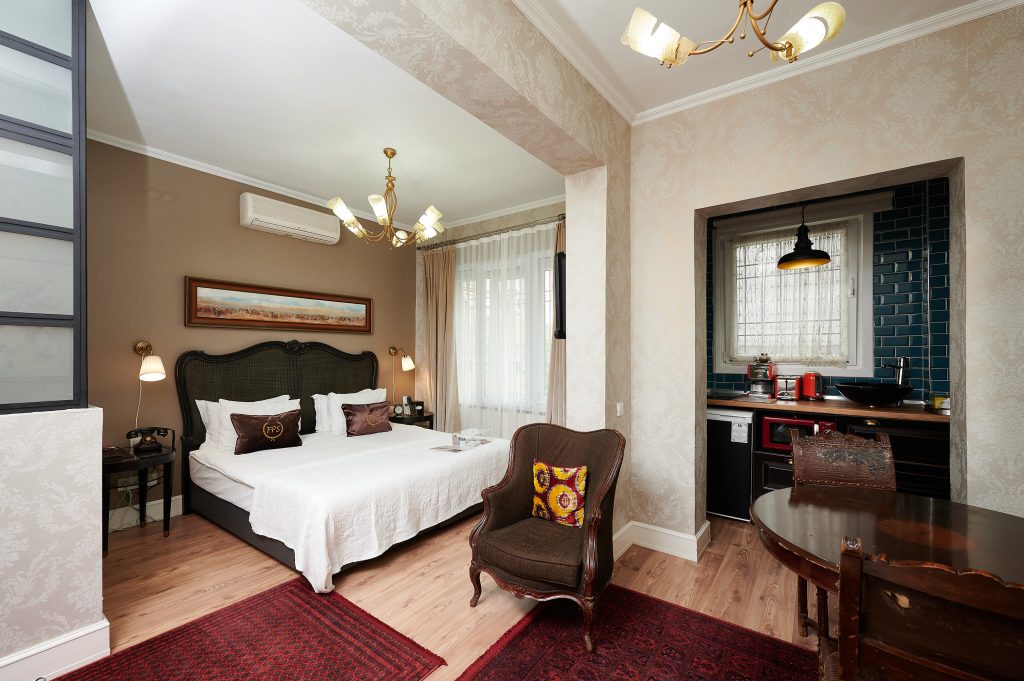
See how the rooms actually look and move through the restored interiors in this short video.
Mornings here are built around an open buffet breakfast, with guests regularly mentioning the homemade breads, pastries and jams. Later in the day, Faik Pasha Cafe, open from 08:00 to 17:00, serves Turkish and Mediterranean dishes in the same historic setting.
“The rooms were so authentic, very clean and comfortable.” – Pat P, October 2025, Tripadvisor
“Very clean, aesthetics with vintage furniture, cozy and comfortable.” – lariszakarath, May 2025, Tripadvisor
Exploring Old Pera’s Levantine Architecture on Foot
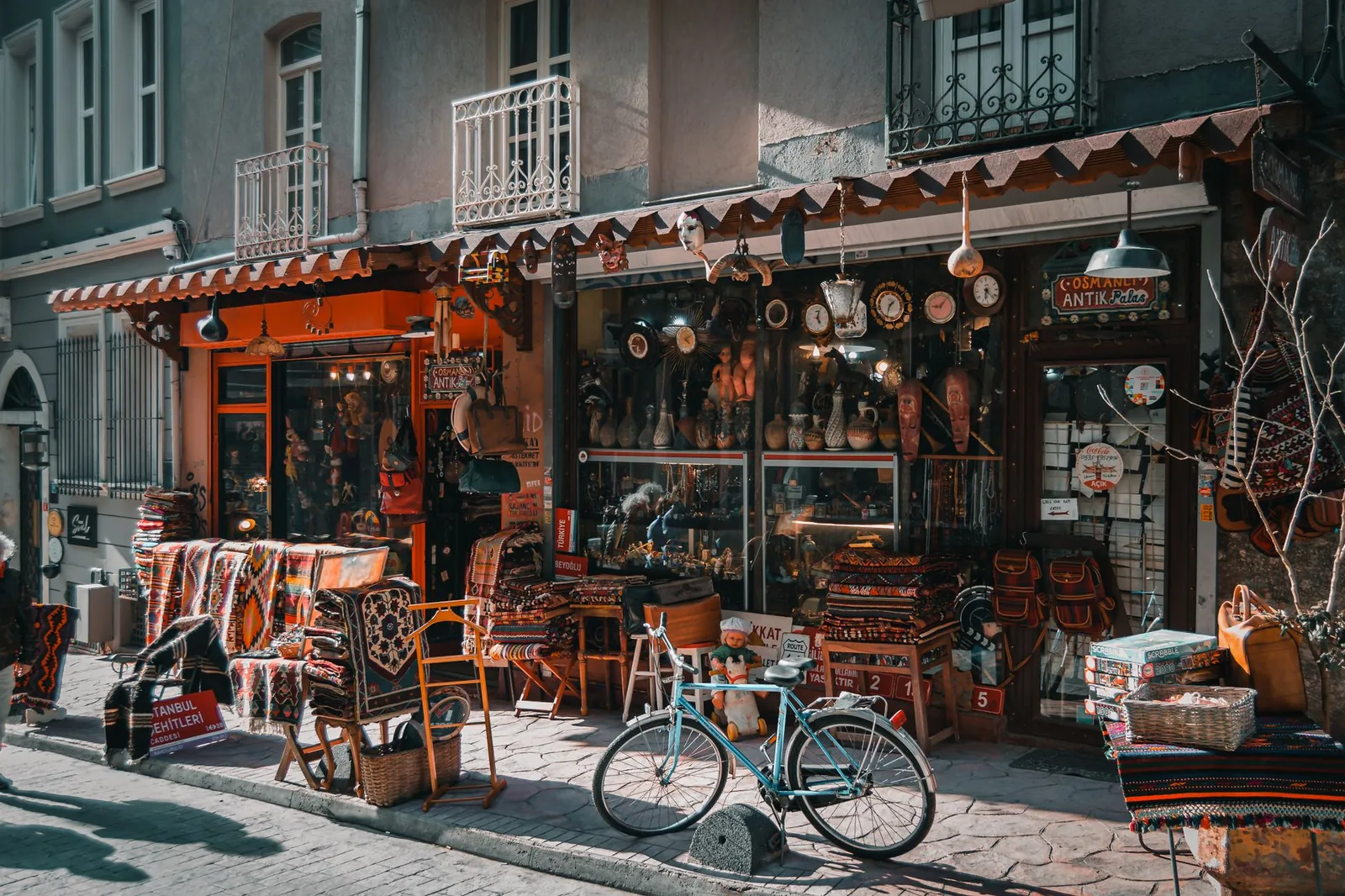
Çukurcuma itself rewards slow exploration. The neighbourhood’s antique shops and restoration workshops are part of why so much original woodwork, ironwork and furniture from Pera’s townhouses has survived rather than ending up in a landfill. A visit to the Çukurcuma district is as much about the buildings as the objects inside them.
From there, it is an easy stretch to the medieval tower that anchors the skyline and gives travellers looking for a boutique hotel near Galata Tower a reason to base themselves on this side of the Golden Horn. The Galata Tower predates most of Pera’s Levantine townhouses, but it frames the same streets this architecture was built on.
Travellers comparing options for a stay among this kind of architecture often look at hotels in Beyoğlu more broadly before narrowing down to a specific neighbourhood like Çukurcuma or Cihangir.
Why Levantine Architecture Istanbul Still Matters Today
It would be easy to treat old Pera’s buildings as background scenery for a photo. But levantine architecture Istanbul represents something more specific: a record of how different communities actually lived side by side, adapting imported tastes to local materials and climate, for well over a century.
Preserving that record, whether through a city government’s heritage listing or a family restoring four buildings on their own street, is what keeps Pera’s history legible rather than erased. Every original ceiling beam, iron balcony railing or hand-set tile left in place is one less thing future visitors have to imagine rather than see.
“we picked the perfect place in the most perfect area of the city” – Summer Tyme Odell, April 2026, Tripadvisor
Reviews like this one, part of the hotel’s Tripadvisor Travellers’ Choice 2026 recognition, point to something beyond nostalgia: people genuinely enjoy spending time inside these restored spaces, not just looking at their facades from outside.
Frequently Asked Questions
What makes a building “Levantine” rather than simply Ottoman?
A building typical of levantine architecture Istanbul usually combines an Ottoman structural base, such as timber framing, with European decorative elements like wrought-iron balconies or shuttered facades, reflecting the mixed European and local communities who built and lived in them during Pera’s cosmopolitan era.
Where is the best place to see Levantine architecture in Istanbul today?
Istiklal Street shows the grander apartment blocks, while the side streets of Çukurcuma and Cihangir in Beyoğlu preserve smaller, more residential examples of the same period.
Is it possible to stay inside a restored historic building in this area?
Yes. Faik Pasha Hotels occupies four restored 19th-century buildings on Faik Pasha Street in Çukurcuma, with rooms ranging from the Standard Double Room to larger apartment-style suites.
Why did Çukurcuma keep so much of its original character?
The neighbourhood’s long-standing community of antique dealers and restoration workshops meant original materials, furniture and architectural details were repaired and resold locally rather than discarded during redevelopment elsewhere in the city.
Can families or longer-stay guests find suitable rooms in a historic building like this?
Yes, apartment-style options with kitchens, such as the Grand Suite Two-Bedroom Apartment, are designed with families, groups and longer stays in mind, see the full room types page for details.
If this walk through old Pera’s streets has you picturing a few nights inside one of its restored buildings, book directly on our website for privileged savings of up to 15%, or reach the team by email or WhatsApp for a personal touch that pays off with rates 5% better than the website.
Trackbacks & Pingbacks
[…] not hidden behind a generic renovation. That’s the starting point for understanding Levantine architecture in Istanbul and Faik Pasha Hotels, a family-run property in Firuzağa, […]